Amp's OpenAI Integration: GPT-6 Astra, Ultrafast, GPT-Live-1, and Sign in with ChatGPT
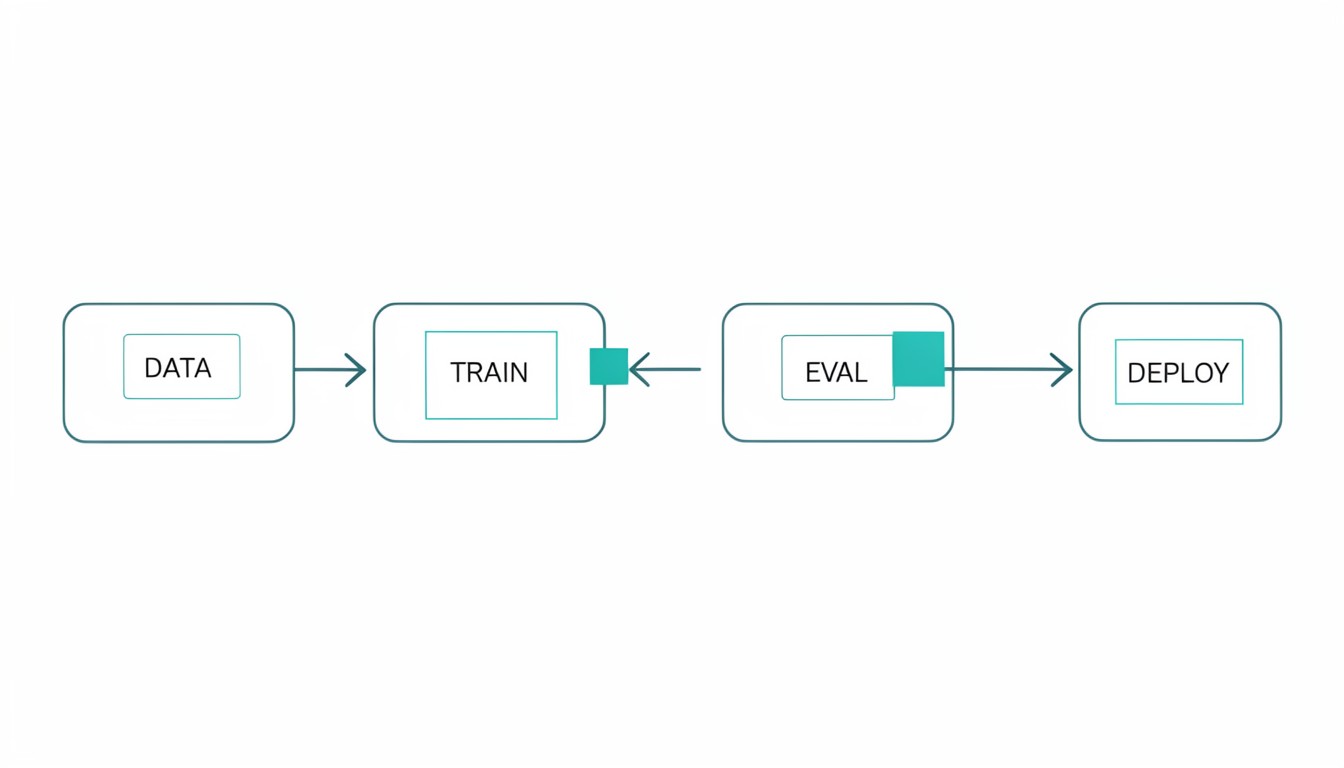
Look, if you're building ad stacks or automation, you know the drill. We're constantly chasing the next edge, trying to cut out the grunt work. Amp's latest move, integrating OpenAI's new models, feels like a real shift, not just marketing speak. We're talking GPT-6 Astra, Ultrafast, GPT-Live-1, and 'Sign in with ChatGPT' baked right in. This isn't about some vague future; it's about what agents can actually do now.
First up, GPT-6 Astra. The promise is better natural language processing for agents. For us, that means less time wrestling with ad copy generation. You feed it the parameters, and it should spit out something usable. The friction point? Getting it to sound genuinely human, not just 'AI-polished.' It still needs a human eye, always. Don't expect magic right out of the box.
Then there's Ultrafast. This one's a big deal for anyone running high-volume campaigns. Speed is everything. If it truly cuts down processing times, that's a win. We've all been stuck waiting for campaign iterations to push through, watching budget burn. The catch? 'Ultrafast' usually comes with a premium. Expect those API calls to add up, fast. It's not a free lunch, ever.
GPT-Live-1 aims for real-time interaction. Think dynamic ad adjustments based on user engagement. Sounds great on paper, right? But getting that real-time feedback loop to actually work without latency issues or data bottlenecks is a beast. You'll need robust infrastructure on your end to even leverage it properly. It's not just plug-and-play; there's a serious integration lift.
Finally, 'Sign in with ChatGPT.' This is about user experience, making agent interaction smoother. Less friction for the end-user means better data capture and potentially higher engagement. It's a smart play, but it also means another dependency, another point of failure if their systems hiccup. You're tying into their ecosystem, for better or worse. It’s a trade-off. We’re pushing these agents to handle more complex tasks, moving beyond simple scripts. It means we can focus on strategy, not just endless lines of code. The potential to build more sophisticated and effective ad strategies without drowning in development cycles is real. It's about getting more done with less manual effort, which, let's be honest, is the whole point of automation in the first place.