AWS Trainium: Will Your Model Actually Run?
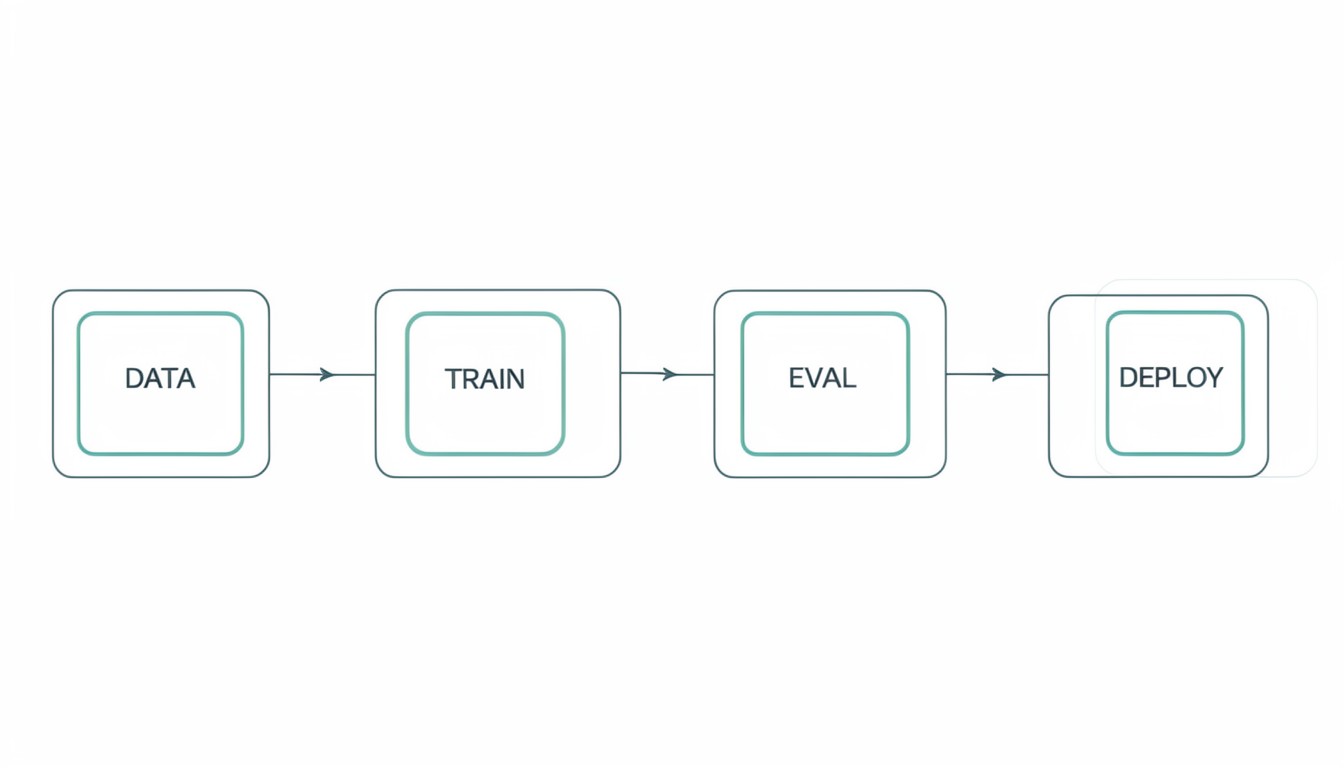
Look, in the cloud game, especially with machine learning, model compatibility isn't some 'nice-to-have.' It's everything. AWS Trainium, Amazon's custom silicon for ML workloads, promises a lot. For anyone building ads, automation stacks, or just trying to squeeze more out of their performance marketing, figuring out if your models will even see Trainium can make or break your week.
Can Your Model Even Talk to AWS Trainium?
Before you start dreaming of blazing-fast training, you've got to confirm if your model's even in the conversation. Here's the drill:
-
Model Architecture Check: Trainium's built for deep learning. Period. If your model isn't geared for heavy-duty, large-scale computations, you're probably barking up the wrong tree. Don't kid yourself; a simple regression model won't suddenly become a speed demon here.
-
Framework Support: AWS keeps a list. It's not a secret. TensorFlow, PyTorch, Apache MXNet – these are the big players. If your model's built on one of those, you've got a shot. If not? You're in for a migration project, and that's never a quick fix. Expect delays, weird dependency conflicts, and probably a few late nights debugging.
-
Performance Metrics: If your current model's performance is already pushing limits, Trainium can help. Its custom hardware is optimized. But here's the kicker: getting your existing model to fully leverage those optimizations isn't just a flip of a switch. You'll likely need to re-tune, re-optimize, and maybe even re-architect parts of it. It's not magic; it's work. And the documentation? Sometimes it feels like it's written for someone else's problem.
Why Bother with Trainium?
If you clear those hurdles, the upsides are real:
- Speed: Faster training, quicker inferences. That translates directly to getting insights and making decisions faster. For ad campaigns, that's gold.
- Scale: It handles big stuff. If your ML workloads are growing, Trainium can keep pace. No more hitting a wall because your infrastructure can't keep up.
- Cost: Potentially lower cloud spend. Potentially. Optimized performance can mean you're paying for less compute time overall. But don't forget the initial engineering hours to get it running smoothly. That's a real, often overlooked, friction point. You save on compute later, but you pay in dev time upfront.
Bottom line: figuring out Trainium compatibility isn't a suggestion; it's a requirement. Follow these steps. Make sure your models are actually built for this kind of horsepower. For growth marketers or developers running sophisticated ad tech, Trainium offers a powerful path forward, but it's not a free ride.