OpenAI's Rosalind Plan: The Real Talk for Life Sciences Research
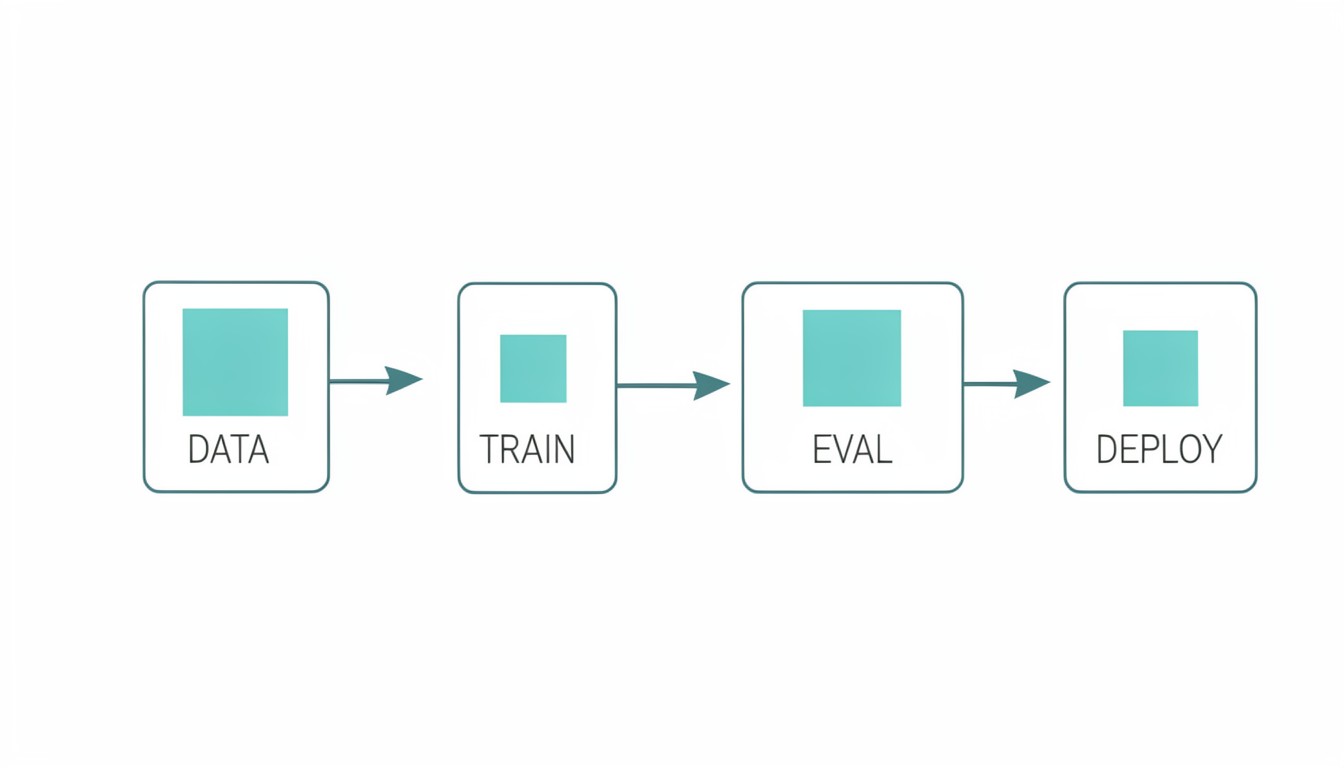
When OpenAI dropped the Rosalind Academic Plan, it felt like a seismic event in life sciences. This isn't just another shiny new toy; it's a fundamental shift. But let's be blunt: actually getting this 'sponsored access' is a full-contact sport. Don't kid yourself, it's not straightforward.
First, the administrative hoops. Proving your eligibility? It's a bureaucratic nightmare, a true test of patience. You'll spend more time wrangling paperwork than you ever thought possible. Then, once you're past that, there's the IT integration. This isn't a plug-and-play situation. You're looking at a significant engineering lift, a project that'll eat up resources and likely uncover a few unexpected compatibility snags. It's never as clean as the brochures make it sound.
At the core of it all sits GPT-Rosalind. This specialized GPT-3 variant is a beast for scientific data. Think of it as a Swiss Army knife, but one you have to assemble yourself before you can use it. It chews through research papers, extracts insights—it's powerful, no doubt. But getting it to play nice with your existing infrastructure? That's where the rubber meets the road. Expect friction. Expect late nights. It's a real grind.
For us on the growth and performance marketing side, or developers building out these stacks, this means a steep learning curve. We're not just pushing buttons here; we're adapting entire workflows. It's less about 'revolutionizing' and more about 're-engineering.' The potential is there, absolutely, but it's going to take a lot of elbow grease to get these systems truly humming. This isn't a quick win; it's a long-haul commitment. The promise is big, but the path to get there? Bumpy. Very bumpy.