Maximizing Efficiency: How Specializing Vocabulary in SLMs Reduces Inference Costs by 77%
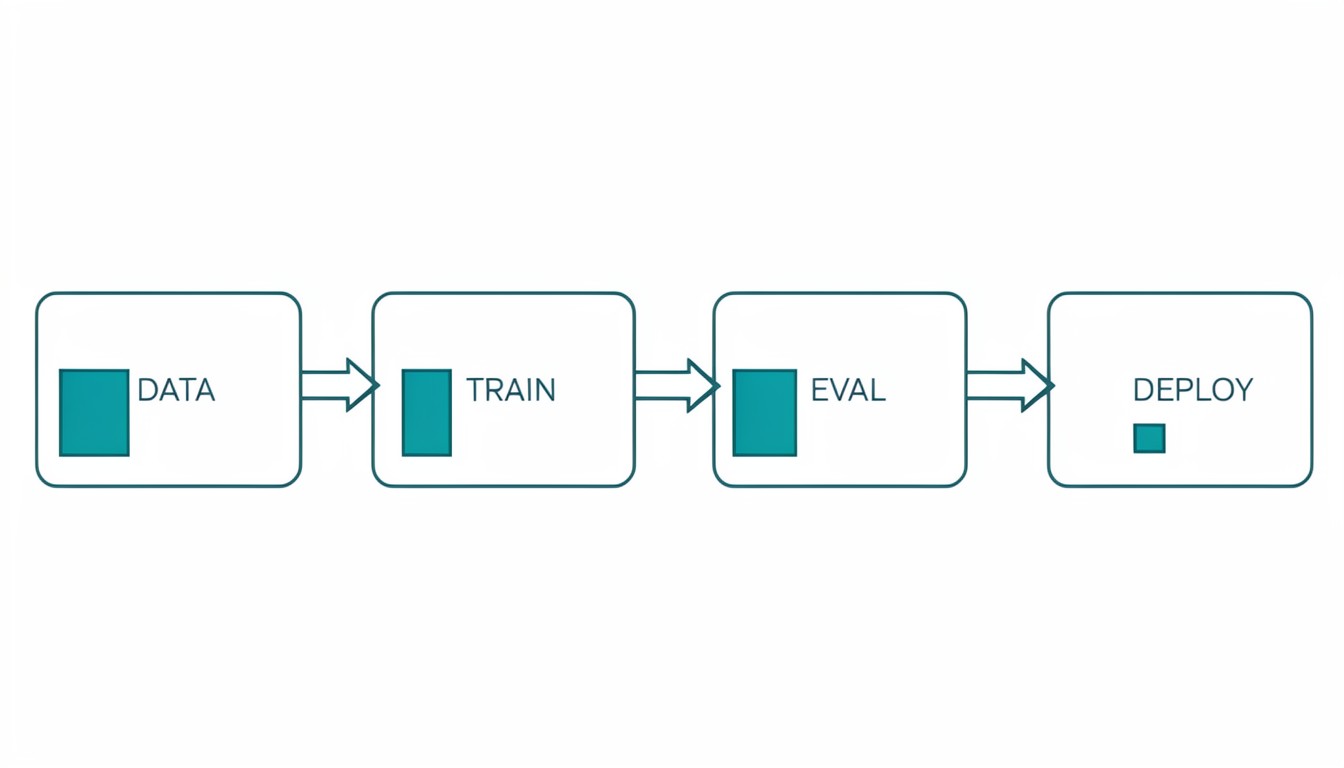
In the ever-evolving landscape of AI and machine learning, the efficiency of language models (SLMs) has become a crucial factor for businesses looking to enhance their performance marketing strategies. One significant aspect that often goes unnoticed is the impact of vocabulary specialization on inference costs. Recent studies have shown that by focusing on the right vocabulary, businesses can achieve a remarkable reduction of up to 77% in inference costs. This article delves into how this optimization can be achieved and the benefits it brings to growth marketers, performance marketers, and developers building ads/automation stacks.
The Importance of Vocabulary Specialization
Language models, especially those used in performance marketing and ad automation, are designed to understand and generate human-like text. However, the sheer size of their vocabulary can lead to inefficiencies in inference, which ultimately impacts costs and performance. Specializing the vocabulary of these models to align with specific use cases, such as ad copy generation or automated customer service, can lead to significant cost savings.
How Vocabulary Specialization Works
Vocabulary specialization involves identifying and prioritizing the words and phrases that are most relevant to a particular task or domain. For instance, if an SLM is being used to generate ad copy for a tech company, it would be beneficial to include technical jargon and industry-specific terms in its vocabulary. This not only improves the relevance and quality of the generated content but also reduces the computational resources required for inference.
The Benefits of Reducing Inference Costs
The reduction in inference costs brought about by vocabulary specialization has several benefits for businesses:
- Cost Savings: By reducing the amount of computational resources needed for inference, businesses can save on cloud computing expenses.
- Improved Performance: Specialized vocabularies lead to more accurate and relevant content generation, which can improve the effectiveness of marketing campaigns.
- Scalability: As businesses scale their use of AI in marketing, the cost savings from specialized vocabularies can be substantial.
Implementing Vocabulary Specialization
Implementing vocabulary specialization requires a few steps:
- Identify Key Terms: Determine the most relevant terms and phrases for your specific use case.
- Update the Vocabulary: Modify the SLM's vocabulary to include these key terms.
- Test and Optimize: Continuously test and refine the vocabulary to ensure it meets your needs.
Conclusion
In conclusion, specializing the vocabulary of SLMs is a practical and cost-effective way to enhance the performance of AI-driven marketing strategies. By focusing on the right words and phrases, businesses can achieve significant cost savings and improve the quality of their marketing content. As AI continues to play a vital role in marketing, optimizing language models through vocabulary specialization will become increasingly important for businesses looking to stay competitive.